
Engineering Trucks for Heavy Tool Loads and Large Equipment Parts
A work truck carrying heavy tool loads and large equipment parts operates under a completely different set of stresses than a standard commercial vehicle. Engineering trucks for these applications requires accounting for payload weight, load distribution, structural reinforcement, and access design all at once.
Get any one of those wrong and the truck becomes a liability rather than an asset. The engineering decisions made during the spec and build process either set the truck up for a long, productive service life or guarantee premature failure under the weight of daily demands.
Chassis Selection and Its Role in Engineering Trucks for Heavy Loads
The chassis is the foundation every other decision is built on. For heavy tool loads and large equipment parts, chassis selection must account for Gross Vehicle Weight Rating (GVWR), front and rear axle ratings, frame section modulus, and wheelbase length.
A chassis that is undersized for the intended payload will flex excessively under load, accelerating frame fatigue and creating misalignment at body mount points. Upfitters who design trucks around actual payload needs start with a complete payload analysis before a chassis is ever selected.
That analysis accounts for the weight of the body, the crane, the tools, the fluids, the operator, and the maximum parts load the truck will carry simultaneously. Skipping that step and selecting a chassis based on cost or availability alone is the fastest route to a truck that underperforms and fails early.
Frame Reinforcement for Engineering Trucks Carrying Large Parts
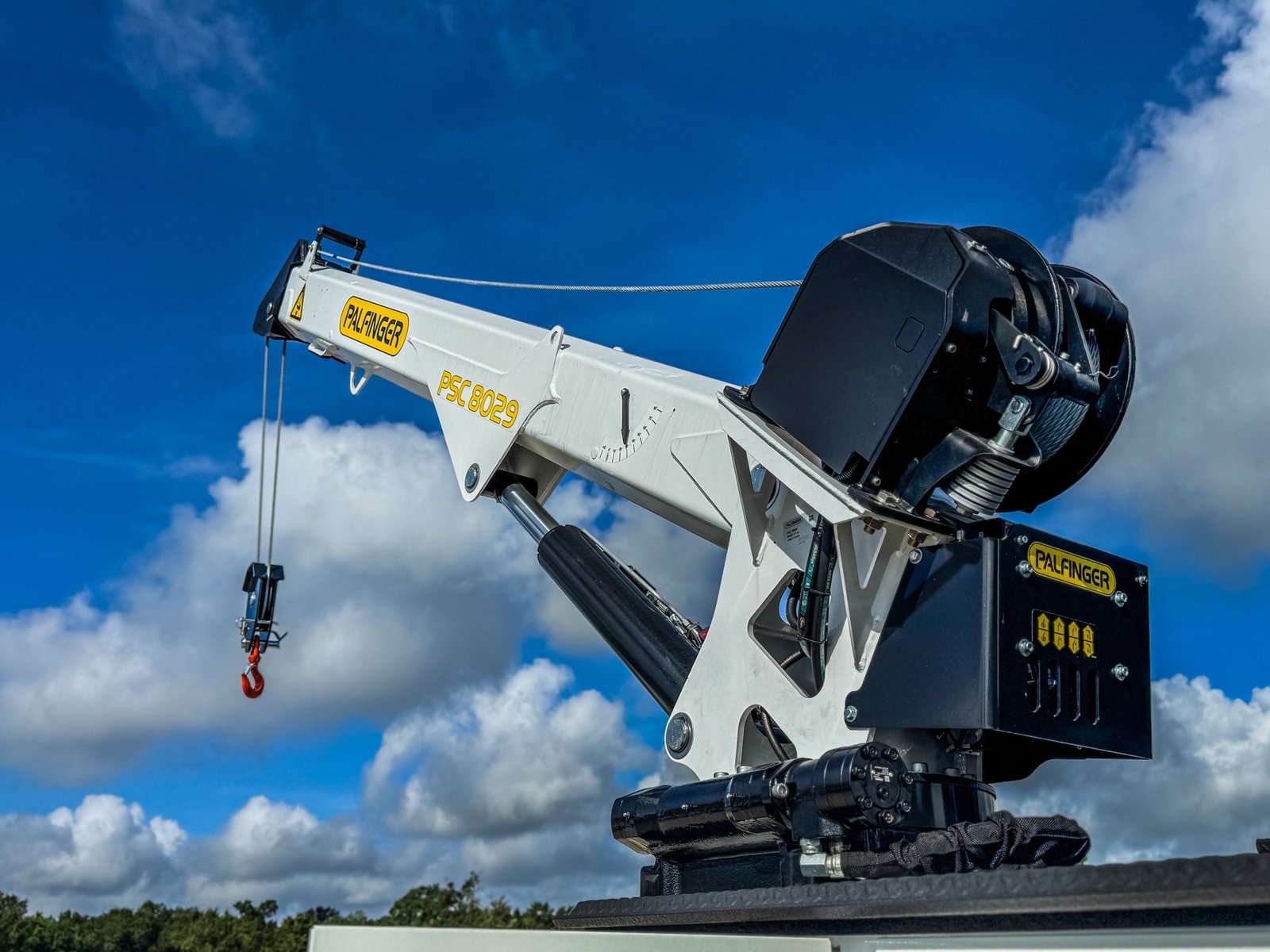
Frame reinforcement through inner channel inserts or outrigger subframes redistributes those loads across a larger structural section. The reinforcement strategy must be matched to where the heaviest loads are applied. A crane mounted at the rear concentrates load at the aft section of the frame.
Heavy parts storage amidships shifts the peak bending moment toward the center. Reviewing truck specs for heavy equipment loads before specifying reinforcement ensures the added structure is placed where the engineering actually demands it, not just where it is easiest to fabricate.
Body Floor Rating and Load Capacity in Engineering Trucks
The body floor carries the direct contact load of everything stored in the truck. Floor rating, expressed in pounds per square foot, must exceed the heaviest concentrated load the truck will encounter. Large engine components, transmission assemblies, hydraulic power units, and heavy tooling all create point loads that can exceed standard floor ratings when concentrated in a small area.
Reinforced steel floors with crossmember-supported spans handle these loads without deflection or permanent deformation. Aluminum floors offer weight savings but must be specified at appropriate thickness and span length to carry equivalent loads without fatigue cracking.
The floor rating must be evaluated as part of the overall body specification, not treated as a standard component that every build shares regardless of application.
Crane Integration When Engineering Trucks for Heavy Lifts
Cranes on service trucks and mechanic trucks must be specified to match the heaviest single lift the truck will perform, with adequate safety margin. Crane capacity ratings are typically stated at a specific radius. As the load moves farther from the centerline of rotation, the effective capacity drops significantly.
Buyers who spec a crane based on its maximum rated capacity without understanding how that capacity changes with radius end up with a crane that cannot safely make the lifts they actually need at the distances their jobsite requires.
Crane boom length, rotation range, and outrigger footprint must all be matched to the specific lifting tasks the truck will perform. These variables need to be defined before the build, not discovered after the truck arrives on the first jobsite.
How to Evaluate Structural Durability in Heavy-Load Truck Builds
Structural durability in a heavy-load truck build is verified through a combination of engineering analysis and inspection. Knowing how to evaluate structural durability means looking beyond surface finish and dimensional compliance to the underlying fabrication quality.
Weld joint design, crossmember spacing, gusset placement, and body-to-chassis interface design all contribute to how the structure performs under sustained heavy loading. Non-destructive testing at critical weld joints provides objective verification of internal weld quality that visual inspection cannot deliver.
Load testing under representative conditions, before the truck enters service, identifies deflection and stress concentrations that analysis alone may miss. Buyers who accept delivery without structural verification are assuming the build meets specification without confirming it.
Managing Access Design for Heavy Parts and Tool Retrieval
Storing heavy components in a truck body is only half the problem. Retrieving them safely and efficiently without damaging the truck, the parts, or the technician is equally important. Compartment door size and positioning must allow large parts to be loaded and removed without excessive maneuvering.
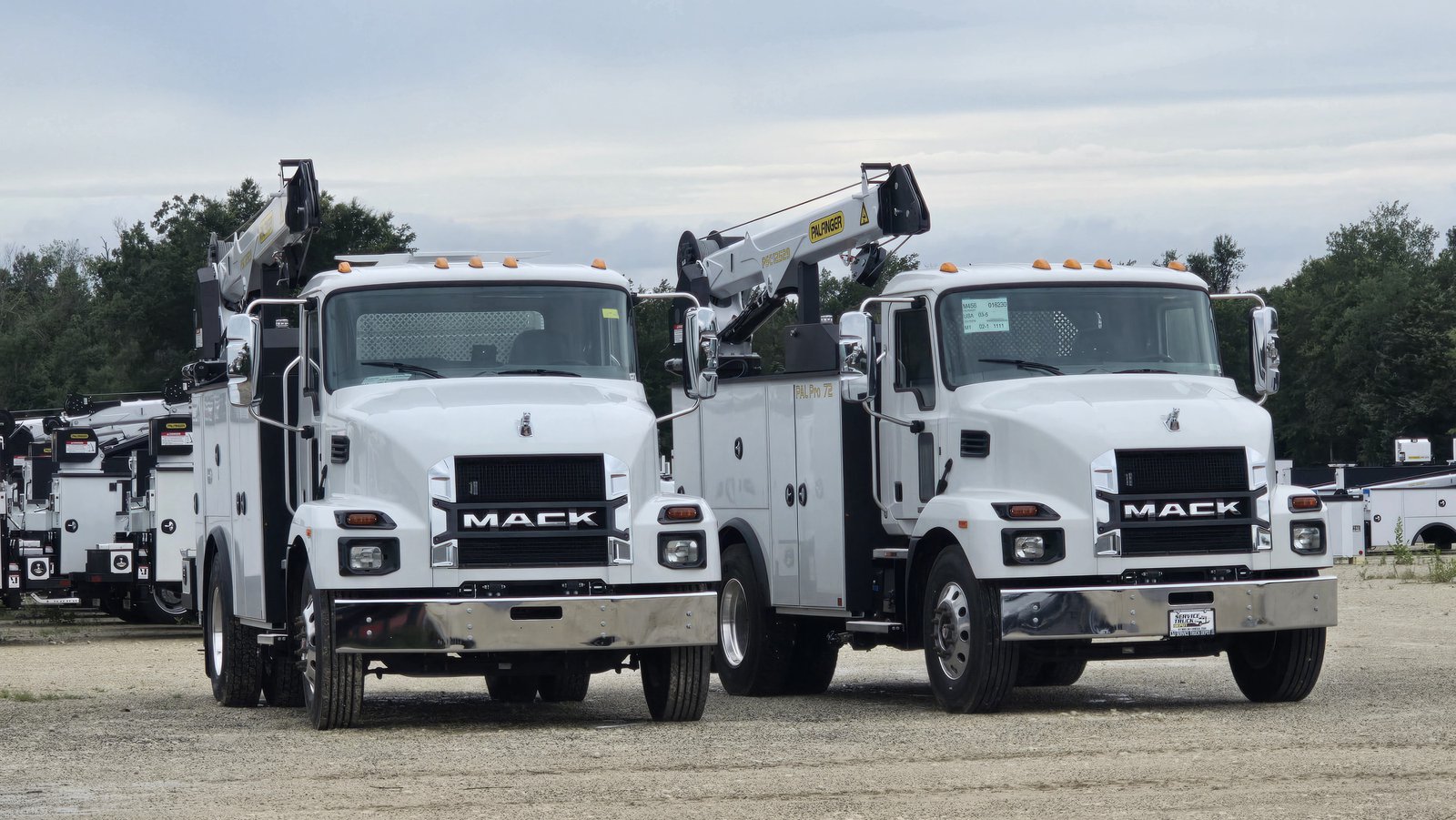
The cost of poor load management shows up not only in equipment damage and truck wear but in technician injuries and the associated downtime, workers' compensation exposure, and crew morale impacts that follow. Access design deserves the same engineering attention as structural design on trucks carrying heavy loads.
Tie-Down Systems and Load Securing on Engineering Trucks
Heavy tool loads and large parts must be secured against movement during transit. Unsecured loads shift under braking, acceleration, and cornering forces, creating both safety hazards and damage to the truck body and the cargo.
Recessed D-ring tie-down points integrated into the floor and body sides provide secure attachment for load straps without creating trip hazards or protrusions that interfere with loading operations. Tie-down point capacity must be rated for the heaviest loads the truck will carry, with consideration for the dynamic forces of emergency braking and rough terrain travel.
Cargo management systems that combine tie-down points with adjustable dividers and blocking allow the truck to carry varying load configurations securely across different job requirements.
Building Engineering Trucks That Carry the Load
At Service Truck Depot, we produce custom truck body upfits and builds engineered to handle the heaviest tool loads and largest equipment parts our customers move daily. From unmounted cranes and truck beds to fully configured work trucks built to precise payload specifications, every build starts with a complete load analysis and ends with a truck that is verified to perform under actual operating conditions.
Our team brings the engineering depth to match chassis, body, crane, and access systems into a single integrated solution. Contact us today to start building a truck that handles the load without compromise.
Read More Posts